Every AI feature I have reviewed had a beautiful happy path and nothing else. The answer streams in, the chart grows, the number lands in bold. Then the model times out, or the budget runs dry at 4 p.m. on the last day of the month, or the answer is confidently wrong, and the screen has no idea what to do.
So I draw the failures first. Not because they are more likely, but because they are where trust is decided. A person forgives a wrong answer that says what it looked at. They do not forgive a spinner that never ends.
The six states that are always there
- Idle. Nothing asked yet, and the screen says what it can answer.
- Thinking. It shows its steps, each with a timing, because a model answering is a process, not a page load.
- Answered. The answer, with what it looked at.
- Partial. One step failed, the others stand, and the screen says which.
- Timed out. The steps so far stay on screen, and retry resumes from the last good step instead of restarting.
- Out of budget. It says so, says who to ask, and does not pretend it is thinking.
Partial is the one everyone skips. It is also the most common real-world state in anything that touches more than one data source. If the design does not have a word for “I checked three of four things”, the implementation will invent one, and it will be a red banner.
Retry resumes, it does not restart
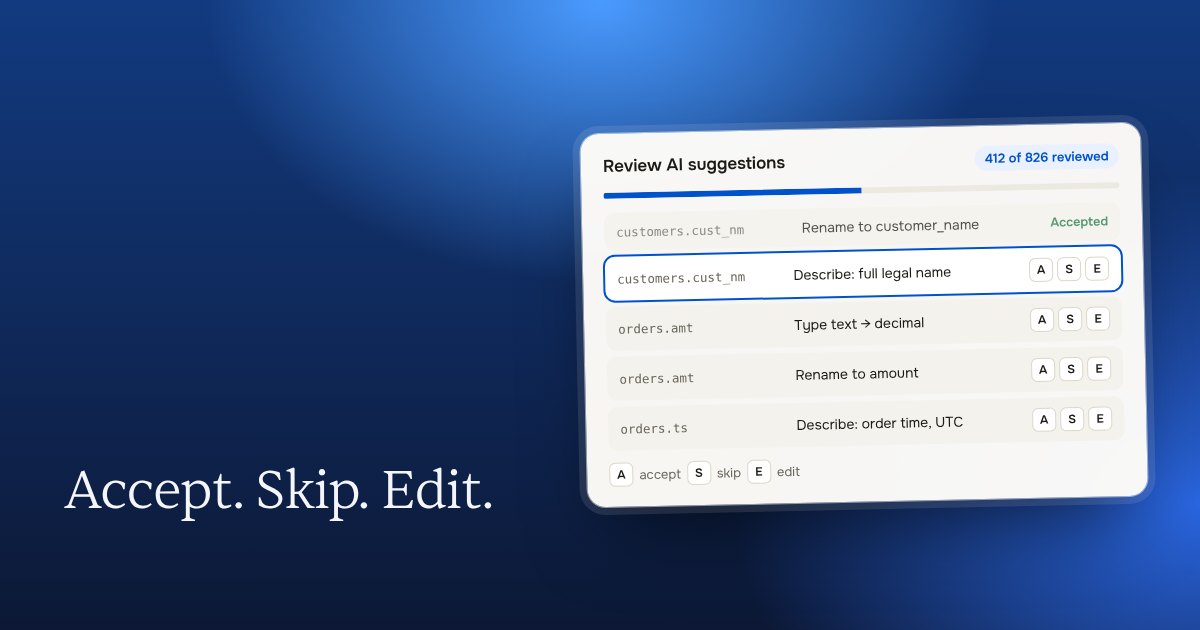
In the AI review grid I designed for 800+ findings, the model proposed a change for each row. When a batch failed halfway, the first version of Retry threw the whole batch away. People stopped pressing it. The fix was a design decision, not a model one: retry picks up from the last confirmed row, and the rows already reviewed stay reviewed.
Say what you looked at
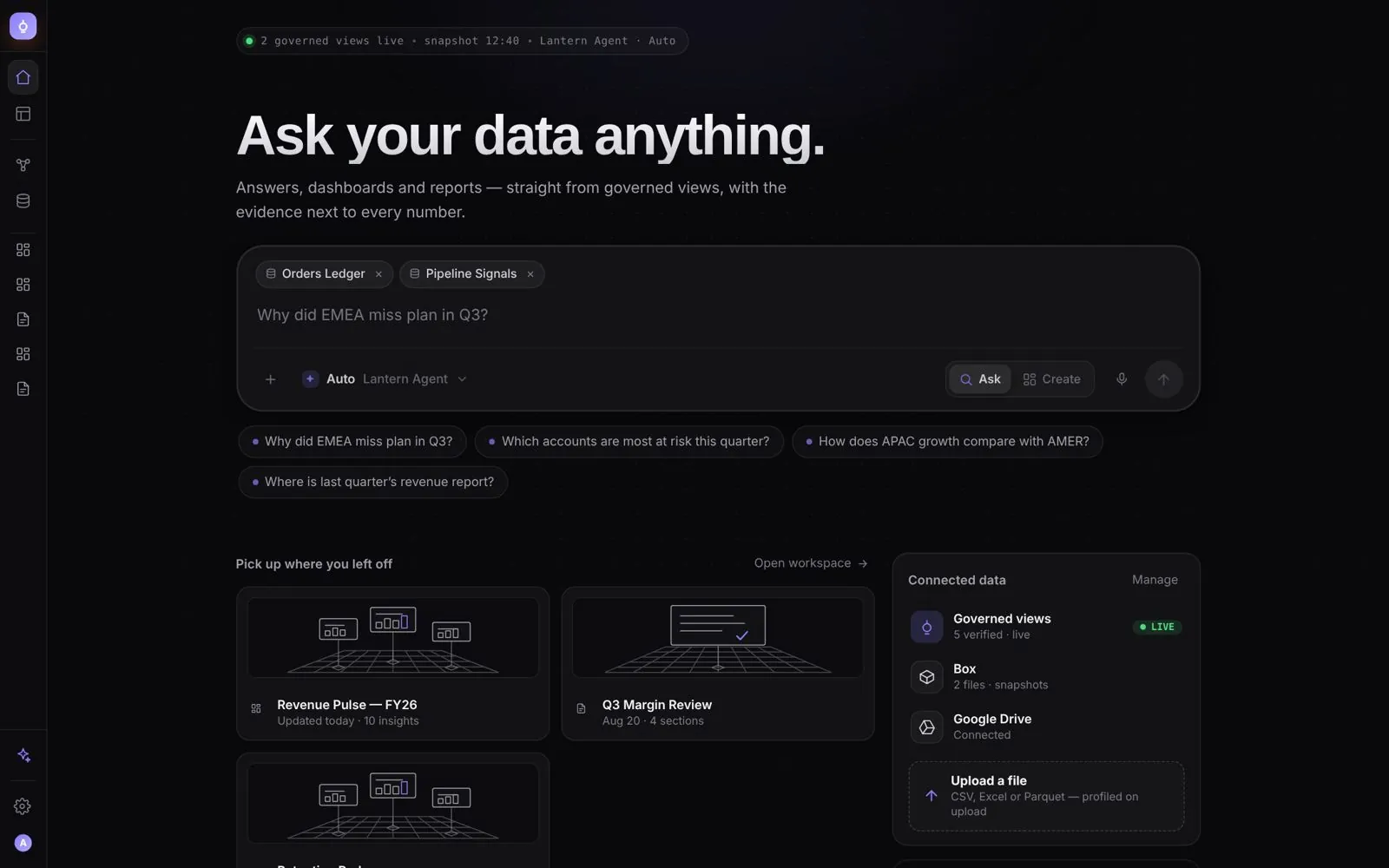
Every answer carries its scope (which views, verified or not, read-only) and the scope is a control the person can change, not a caption. When the scope changes under a finished answer, the answer is flagged as belonging to the old scope, with a re-run that keeps the refinements. Silent restating is how an assistant loses a room.
None of this is hard to build. It is only hard to remember to design, because the happy path is the demo and the demo is what gets reviewed. Draw the failure first and the demo takes care of itself.